

Recent Projects
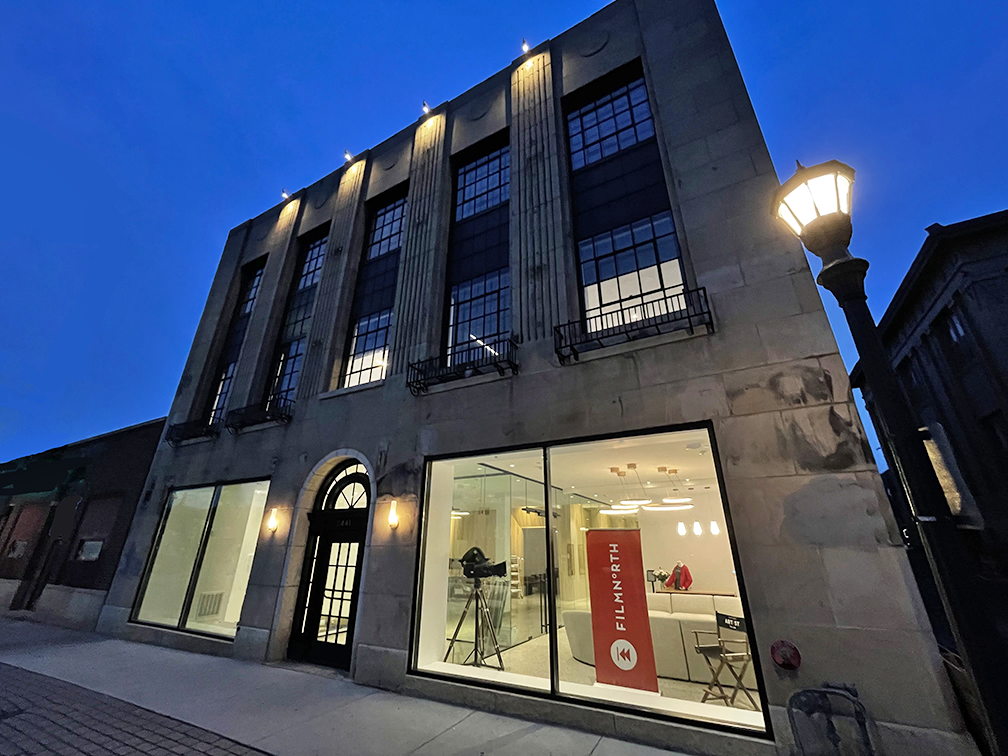
FilmNorth
“I’ve done accessibility consulting. I wanted somebody that’s better than me...somebody who’s really got this." — Bethany Gladhill, FilmNorth Business Affairs Director
FilmNorth is a Minneapolis-based film nonprofit supporting filmmakers and audiences through screenings, education programs, and artist resources. As the organization entered a period of growth in a new beautiful building, leadership wanted accessibility to be integrated intentionally—aligned with mission, operations, and long-term sustainability rather than treated as a one-time requirement.
Comprehensive Access Planning
Situation
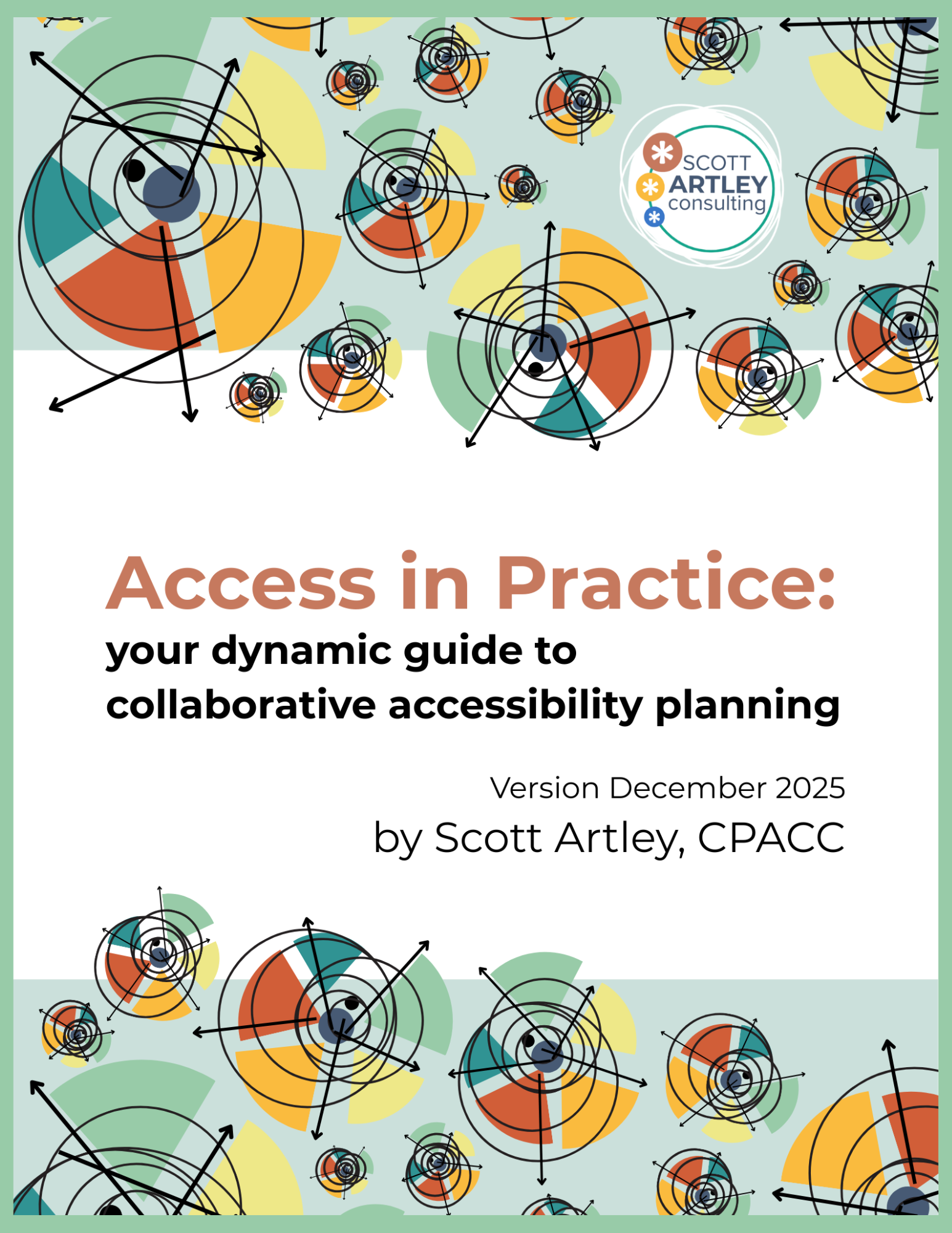
At the Comprehensive Access Strategy support level, Scott led an organization-wide accessibility planning process designed to fit real-world capacity while still being ambitious. He trained staff in disability justice principles and accessibility strategies, each gaining high-level skills to identify and address barriers to participation. Scott synthesized staff insights collected through Scott’s Access in Practice workbook to create clarified policies and a phased roadmap with explicit roles. He also provided proprietary management tools like a decision matrix to support consistent, strategic action designed to flex with the needs of its community.
Project
The deliverables gave FilmNorth a shared framework they can use across programs, communications, and operations—supporting both accountability and momentum as the organization evolves. Accessibility becomes a shared responsibility with defined priorities and specific adaptable tools they could use together, helping the organization move forward, into its growth moment, with confidence.
Impact
Looking for expert assistance creating an Access Plan?
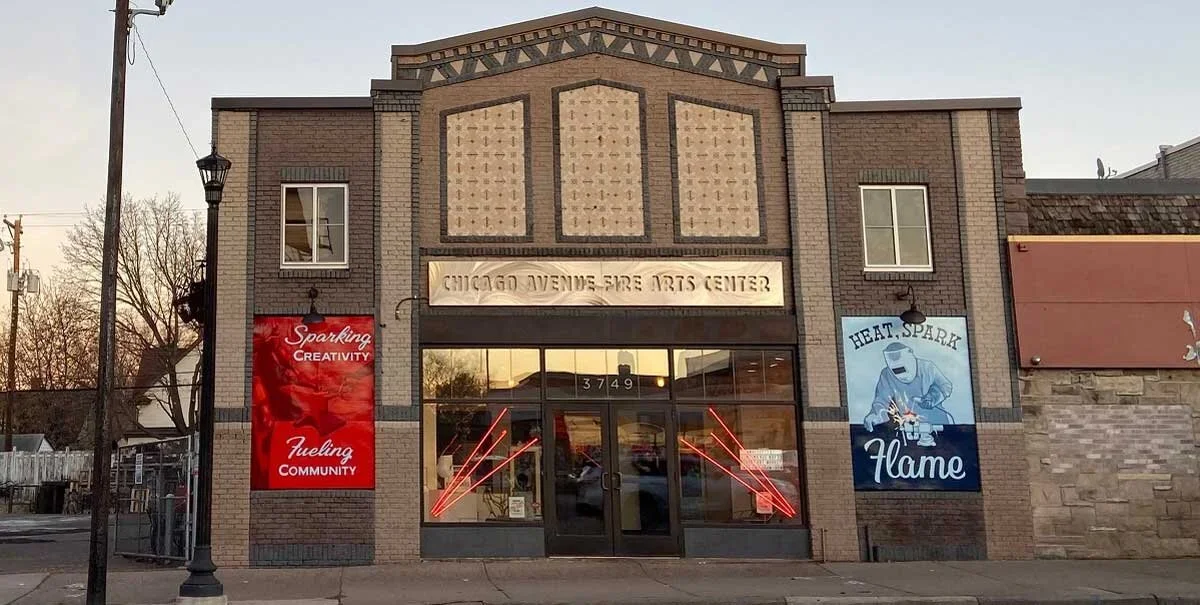
Chicago Avenue Fire Arts Center
“I really appreciated that you nudged and encouraged and reminded, but also gave grace and acknowledgement about how life and work goes sometimes. I felt like we were supported—like somebody was keeping an eye on us and going to make sure we stayed on track.” - Victoria Lauing, Founder & Executive Director, Chicago Avenue Fire Center
“This framework means accessibility isn’t an afterthought—it’s just in our culture.” — Education & Access Coordinator Becca Cerra
Guided Access Strategy
Chicago Avenue Fire Arts Center (CAFAC) is a community-centered Minneapolis arts organization offering hands-on programming in glass, metal, and ceramics. Leadership wanted a structure for decision-making from so many paths forward—and the reminder to keep making steady progress on their accessibility efforts while balancing so many other priorities.
Situation
At the Guided Access Strategy support level, Scott kicked off the engagement by getting a tour of the CAFAC facility to understand the organization’s context,and then giving the staff a brief orientation to accessibility planning principles. Over a few months, as the staff team worked through the accessibility planning process together using the access planning workbook and recorded webinar at their own pace, Scott served as a structured coach and accountability partner. This approach emphasized clarity, pacing, and confidence—providing a framework, prompts, and support without taking ownership away from the organization.
Project
CAFAC clarified priorities, built shared language, and developed an access plan that felt achievable and aligned with how they already work. Accessibility shifted from something intimidating to an embedded practice—supporting more thoughtful, empathetic, and resource-conscious decisions over time.
Impact
Interested in a supportive, self-paced access planning process?
Walker Art Center
“I really appreciated your person-centered framing, humor, and emphasis on taking a learning approach.” — Sarah Lampen, Associate Director of Learning and Accessibility
“It was my first week [on staff], and such a relief to come in [as a disabled person] and right away know that Scott just gets it. [...] It was the most real, punk rock version of access, with laughs.” – Walker Art Center staff member
Staff Accessibility Training
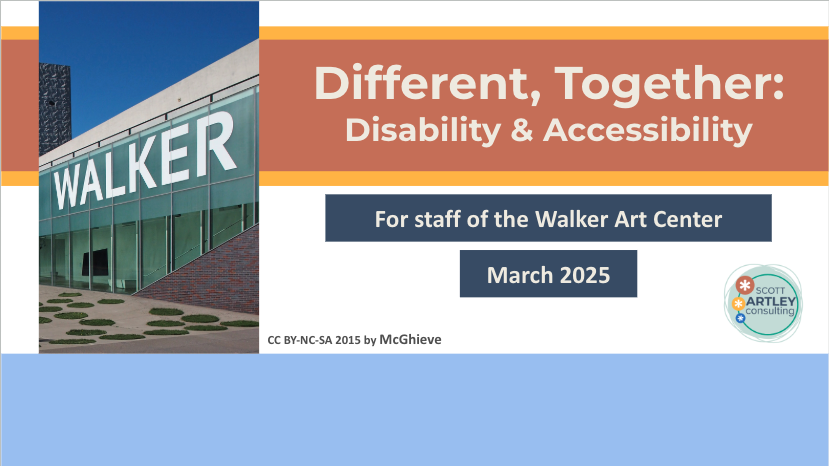
The Walker Art Center is a major contemporary arts institution with an international reputation for public engagement and learning. Staff sought accessibility training for public-facing roles that went beyond fundamentals—grounded in real scenarios and applicable across departments.
Situation
Scott designed and delivered training to staff in multiple roles, focused on how decisions in their everyday work can be grounded in “access thinking.” The interactive session asked participants to contend with disclosure, communication, internal workflows, and interpersonal etiquette. Using various education modes to reach all learners, the training emphasized conceptual and tactical strategies for access work, with particularly strong responses emerging from small group discussions about challenging scenarios inspired by their real work.
Project
Staff gained clarity on the organization’s expectations, frameworks that can adjust to unanticipated situations, and concrete strategies they could apply immediately in their roles. The training supported cross-departmental alignment and reinforced accessibility as an ongoing organizational practice where everyone can work within their sphere of influence to support belonging.